

insulated glass
How to Change the Main Water Valve A Step-by-Step Guide Changing the main water valve in your home is an essential maintenance task that can prevent water damage and excessive leaks. Whether you're dealing with a malfunctioning valve or simply want to upgrade to a more reliable model, understanding the process is crucial. This guide will walk you through the necessary steps to change your main water valve safely and effectively. Understanding the Main Water Valve The main water valve is a crucial component of your plumbing system, as it controls the flow of water into your home. It’s typically located near where the water line enters your house, often in the basement, crawl space, or outside near the foundation. Knowing how and when to change this valve is important not just for repairs, but for emergencies, such as significant leaks or burst pipes. Tools and Materials You’ll Need Before you begin, gather the necessary tools and materials. You will need - A new main water valve (ensure it’s the correct size and type) - Pipe wrenches or adjustable wrenches - Plumber's tape - A bucket or towels to catch water - Safety glasses and gloves - A pipe cutter (if you need to remove any sections of pipe) Step-by-Step Process 1. Turn Off the Water Supply The first and most crucial step in changing the main water valve is to shut off the water supply to your home. This can usually be done at the municipal supply, often located at the street or in a designated access point. Once you turn this off, open a faucet in the house to allow any remaining pressure to escape, preventing backflow when you remove the valve. how to change main water valve 2. Drain the System To avoid flooding, it’s a good idea to drain the pipes. Open faucets at the highest and lowest points in your home to let any remaining water flow out. This step minimizes water spillage when you remove the old valve. 3. Locate the Valve Find the main water valve; it could be a gate valve or a ball valve. Inspect the connections and surrounding pipes to assess how best to approach the replacement. 4. Remove the Old Valve Using your pipe wrench, loosen the nuts connecting the valve to the pipes. Depending on the type of valve, you may need to cut the pipe if it is soldered or too corroded to remove easily. Be cautious here; ensure your cuts are clean to facilitate a better seal with the new valve. 5. Prepare the New Valve Before installing the new valve, measure the space to ensure a proper fit. Apply plumber’s tape to the threads of the new valve to prevent leaks. This helps create a watertight seal when you attach it to the existing plumbing. 6. Install the New Valve Position the new valve in place, ensuring it’s oriented to allow for the correct flow direction (usually indicated by an arrow on the valve). Tighten the connections with your wrench, ensuring they are snug but not overly tight, which could damage the fittings. 7. Restore Water Supply Once the new valve is securely in place, turn the water supply back on slowly. As you do this, watch for leaks around the fittings. If everything looks good, restore normal water pressure by turning on faucets and letting air escape. 8. Test the System Run water through the system to ensure the new valve is functioning correctly. Check all nearby connections for any signs of leaking. If you notice any drips, you may need to retighten the connections or apply more plumber's tape to ensure a secure fit. Conclusion Changing the main water valve in your home is a straightforward process that can save you from future headaches related to leaks and water damage. By following this step-by-step guide, you can safely replace your valve with confidence. However, if you encounter any complications or are unsure about the process, don’t hesitate to consult a professional plumber. Regular maintenance and timely repairs are key to keeping your plumbing system in optimal condition.
about
insulated glass
Understanding Butterfly Valve Companies Innovations and Industry Standards In the realm of industrial applications, butterfly valves play a crucial role in controlling the flow of liquids and gases through pipes. These valves, characterized by a rotating disc that regulates flow, are favored for their lightweight design, compact size, and cost-effectiveness. As industries continue to evolve, the demand for efficient and reliable butterfly valves has spurred a wave of innovation among butterfly valve companies. This article examines the key features that define these companies, the technological advancements they bring to the table, and the standards they uphold to ensure quality and safety. Key Features of Butterfly Valve Companies Butterfly valve companies typically distinguish themselves through various key features that reflect their commitment to excellence. One of the foremost characteristics is their range of product offerings. Leading companies provide a wide variety of butterfly valves, including high-performance, resilient seated, and metal seated valves, catering to diverse industries such as water treatment, chemical processing, and HVAC systems. Moreover, these companies often prioritize customization, understanding that different applications require specific valve configurations. Many butterfly valve manufacturers offer tailored solutions, enabling clients to select from various materials, sizes, and actuation methods. This adaptability ensures that customers receive valves that meet their operational needs while adhering to industry regulations. Innovations in Design and Technology As technology advances, butterfly valve companies are embracing innovative designs and materials to enhance performance and reliability. For instance, the integration of advanced sealing technologies has improved the longevity and leak-proof capabilities of butterfly valves. Companies are now utilizing high-performance elastomers and metal seals to withstand extreme conditions while ensuring minimal leakage. butterfly valve company Moreover, the trend towards automation in valve operation is reshaping the industry. Many butterfly valve manufacturers are incorporating smart technologies, enabling remote operation and real-time monitoring. By integrating Internet of Things (IoT) capabilities, companies allow users to track flow rates and detect potential issues before they escalate, thereby optimizing maintenance schedules and reducing downtime. Digital twin technology is another innovative advancement being adopted by butterfly valve companies. This technology allows for the creation of virtual replicas of physical butterfly valves, enabling predictive maintenance and enhanced design processes. By simulating performance under various conditions, manufacturers can fine-tune their products for maximum efficiency and reliability. Commitment to Industry Standards Butterfly valve companies are also distinguished by their adherence to international industry standards. Ensuring compliance with certifications such as ISO 9001 for quality management systems and ASME for pressure vessel design is essential for these companies. Such standards establish a framework that guarantees the manufacturing processes are consistent, reliable, and of high quality. Furthermore, safety is a paramount concern in industries relying on butterfly valves. Companies often conduct rigorous testing, including pressure tests and operational assessments, to ensure their products can withstand the rigors of industrial environments. By providing valves that meet stringent safety standards, manufacturers help industries operate more securely and efficiently. Conclusion In summary, butterfly valve companies are at the forefront of innovation and quality in the valve manufacturing industry. Through a comprehensive range of products, commitment to customization, and incorporation of advanced technologies, these companies play a vital role in ensuring that various industries can effectively manage fluid and gas flow. Their adherence to rigorous industry standards further underscores their dedication to safety and reliability. As industries continue to evolve, butterfly valve companies must remain agile—innovating and adapting to meet the changing demands of a dynamic market. This commitment to excellence will ensure that they remain key players in the global industrial landscape, providing essential solutions for years to come.
-

High quality industrial productsagement

High quality industrial products
View Details -

Meet the diverse needs of customers

Meet the diverse needs of customers
View Details -

Strict quality control

Strict quality control
View Details -

Top raw materials

Top raw materials
View Details -

Trusted supplier

Trusted supplier
View Details
Our application

news and information

Why All Metal Valves Solutions Last Longer in Harsh Environments
In industrial applications where extreme temperatures, corrosive chemicals, and high pressures are c

Válvula borboleta de 14 polegadas
Válvula Borboleta de 14 Polegadas Importância e Aplicações A válvula borboleta é um dispositivo de c
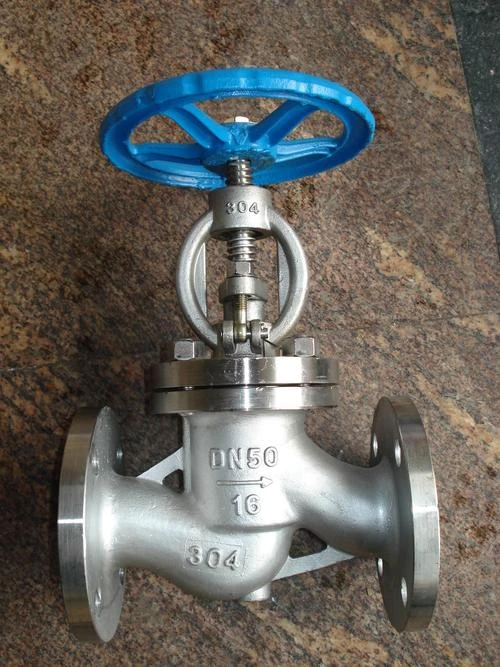
Versatile Metal Angle Ruler for Precision Measurements and Projects
The Versatility of the Metal Angle Ruler in Precision Measurement In the world of craftsmanship, eng
 English